How Gaskets and Barriers Improve IP Ratings in Medical HMI Devices
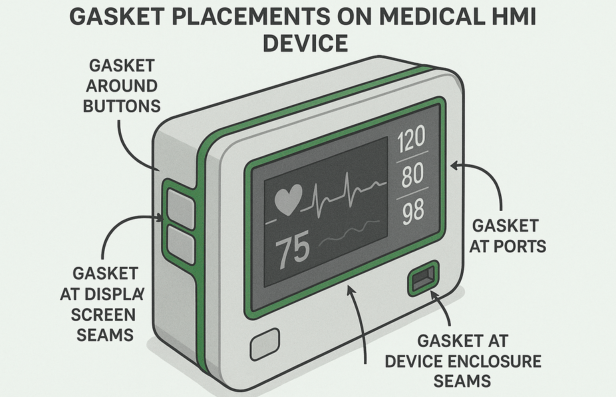
When designing medical equipment, one critical goal is keeping dust, liquids, and other contaminants out of sensitive electronics. A spill on a hospital infusion pump or exposure to cleaning agents on a diagnostic monitor should not result in device failure. This is where Ingress Protection (IP) ratings come in – and where gaskets and barriers act as unsung heroes. IP ratings classify how well a device’s enclosure resists intrusion by solids and liquids. For medical HMI (Human-Machine Interface) devices, achieving a high IP rating is more than a technical spec – it’s about ensuring safety, reliability, and user confidence.
What Are Printed Biometric Sensors and How Are They Revolutionizing Healthcare?
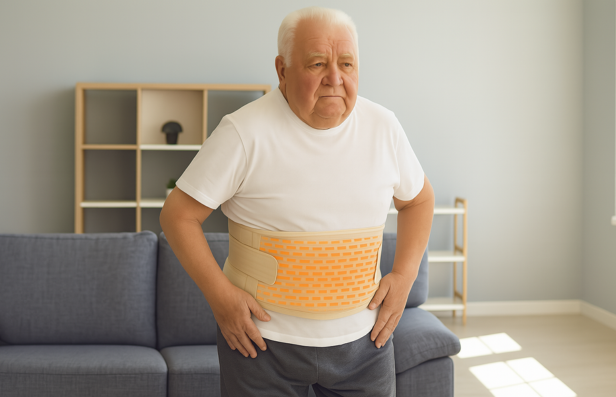
In today’s fast-moving world of healthcare innovation, biometric sensors are quietly transforming how we collect, analyze, and respond to health data. These sensors, particularly printed biometric sensors, are becoming essential in everything from chronic condition monitoring to advanced wearable tech.
Touch Screens in Surgical Devices: Safety, Sterility, and Usability Challenges
Introduction
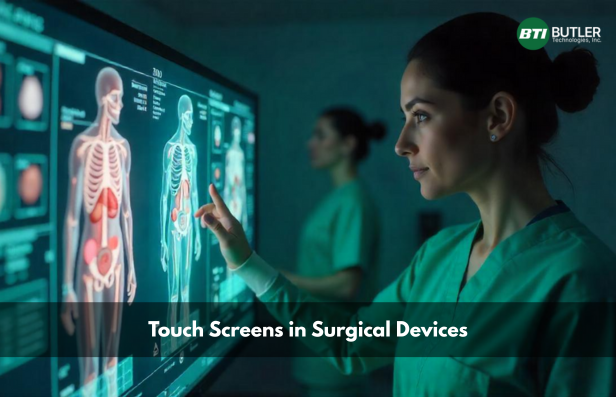
Touch screens are now as common in operating rooms as scalpels. From robotic-assisted surgery to anesthesia monitoring systems, digital interfaces have become the nerve center of modern surgical workflows. But integrating touch screens in surgical devices isn’t as simple as slapping an iPad on a robot and calling it a day. In high-stakes environments where sterility, precision, and efficiency are non-negotiable, these screens face more scrutiny than a med school student at their first dissection.
Label Adhesion Failures: 5 Things to Check Before You Blame the Material
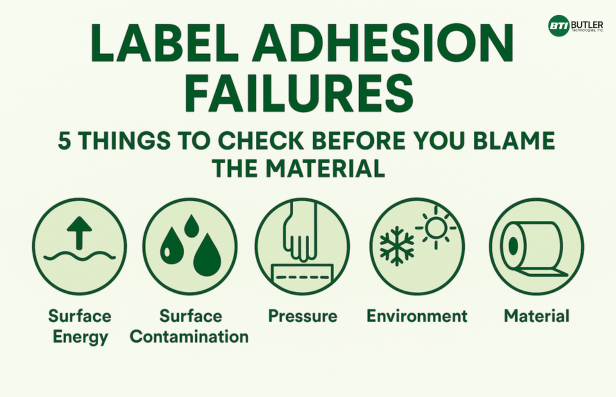
Labeling in industrial and commercial environments is far from trivial. Whether applied to medical devices, automotive dashboards, industrial control panels, or consumer electronics, labels carry vital information—compliance markings, traceability data, branding, and instructions. They must remain intact, legible, and adhered throughout a product’s lifecycle.
Capacitive Touch Screen: Types, Principles, and Advantages
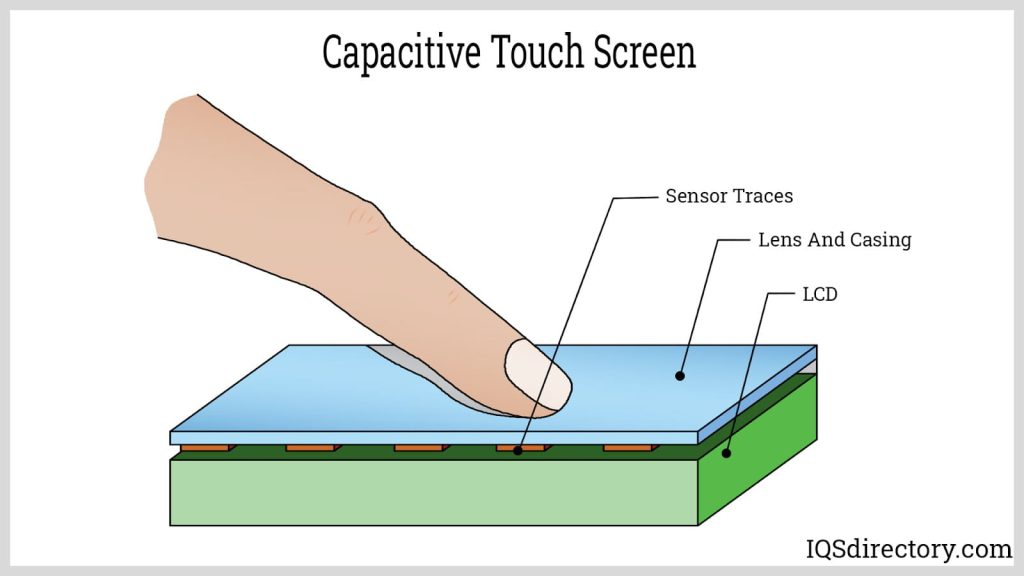
Capacitive touch screen technology has revolutionized the way we interact with devices. From smartphones and tablets to ATMs and industrial machines, these sleek and responsive interfaces have become a standard in modern design. Unlike older resistive touch screens, capacitive screens rely on the electrical properties of the human body to detect touch, offering faster, more accurate, and multi-touch capable interfaces.
What Is a Printed Heater? A Complete Guide for Product Engineers
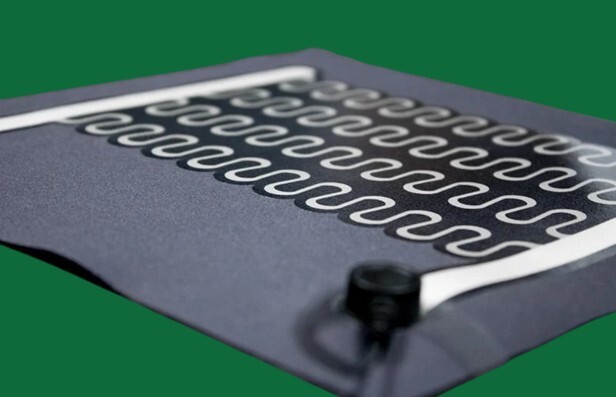
Printed heaters are a modern thermal solution created using conductive inks instead of wires or coils. These thin, flexible heaters are ideal for applications where space, power efficiency, and customization are essential.