Human Machine Interface 101: Fundamentals and Key Concepts
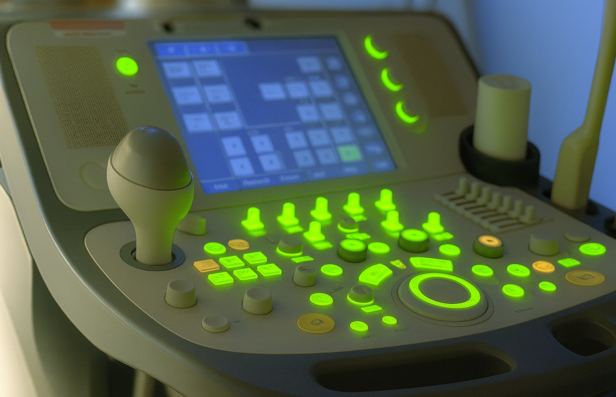
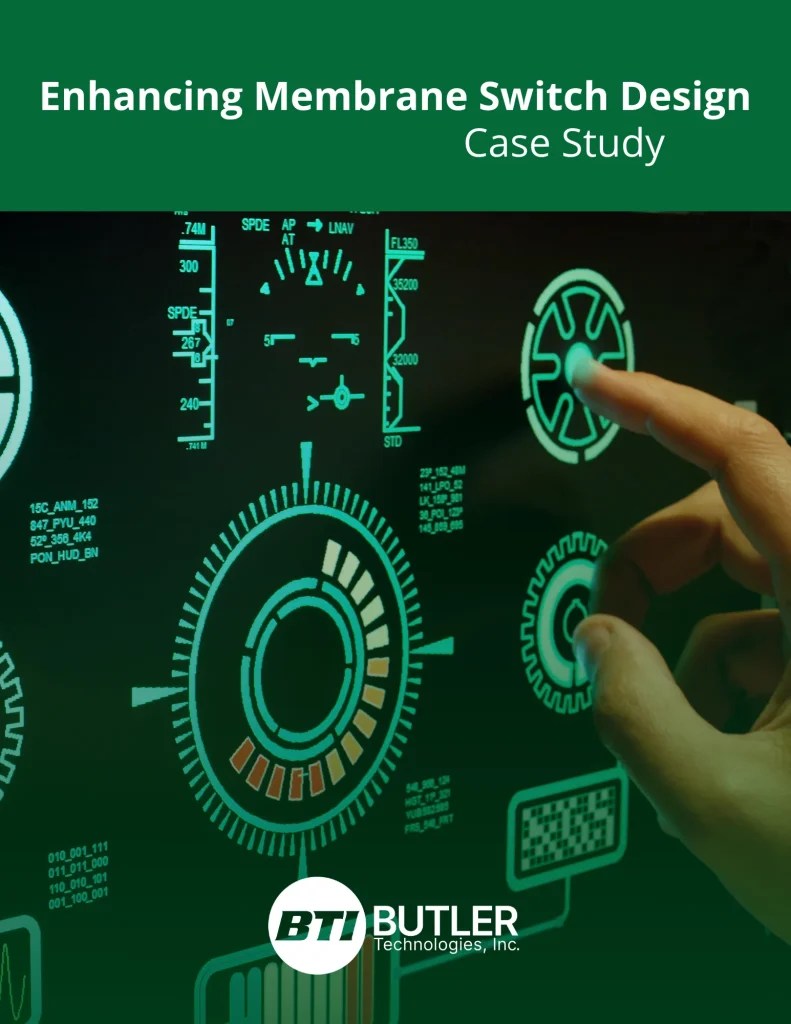
A Human Machine Interface (HMI) is the bridge between people and technology. From the dashboard in your car to the control panel of an industrial machine, HMIs are everywhere. They allow users to send commands, receive feedback, and monitor systems in a way that is simple and intuitive.
Digital vs. Screen Printing: Which Is Right for Your Project?
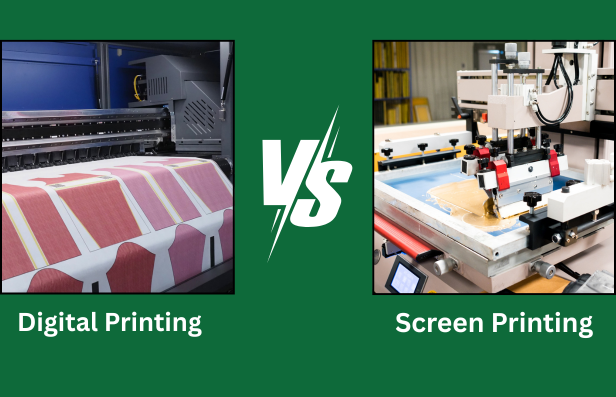
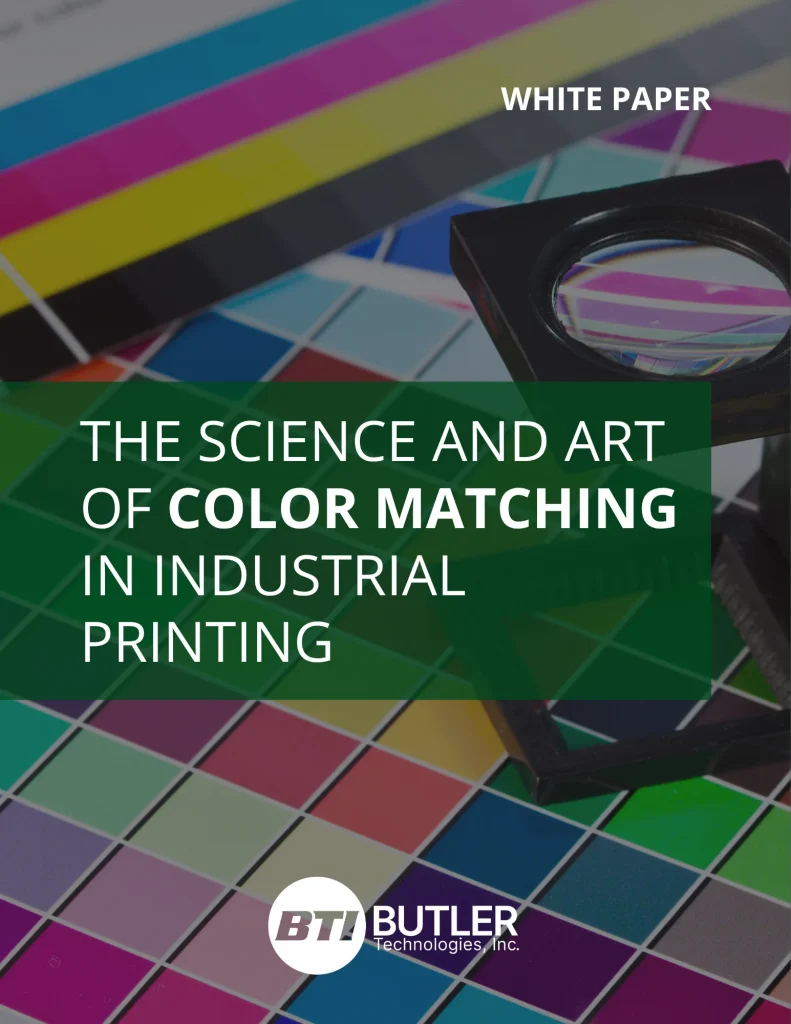
When developing components such as graphic overlays, membrane switches, flexible circuits, or wearable sensors, selecting the right printing method is critical. Two of the most common methods are screen printing and digital printing.
Emerging Trends in the Supplier-Customer Relationship: Insights from the Pittsburgh Technology Council’s Panel Discussion

The days of supplier relationships built on the back nine are behind us. This was one of the key takeaways from the Pittsburgh Technology Council’s Supply Chain Innovation Insights: Emerging Supply Chain Trends Across Manufacturing. The panel discussion featured experts in supply chain management from key players in Pittsburgh’s manufacturing sector.
Capacitive vs Resistive Touch Screen: Which One Fits Your Application Best?
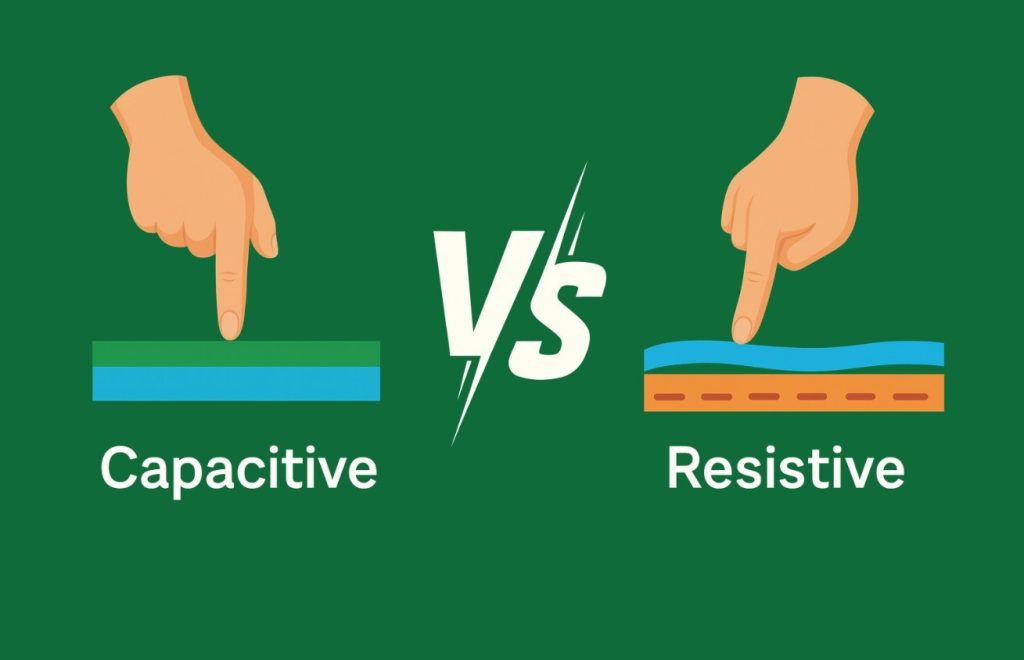
Touch screens have become a standard interface in everything from smartphones and tablets to ATMs and industrial control panels. But not all touch screens are the same – two dominant technologies power most touch interfaces: resistive touch screens and capacitive touch screens.
How to Design Printed Circuits for Manufacturability and Performance
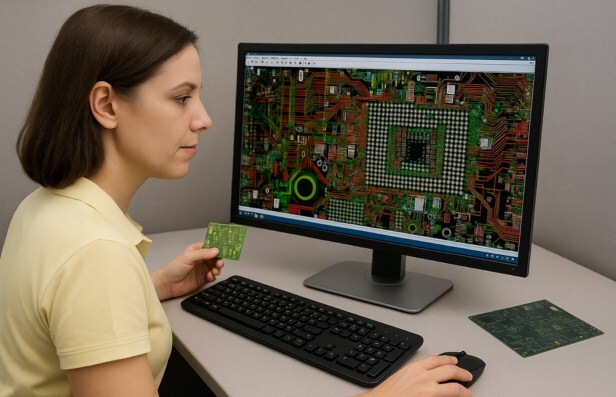
Printed circuit design is often the quiet force behind every electronic innovation—from medical wearables to military-grade instrumentation. Yet balancing high performance with manufacturability can be a challenge, even for seasoned engineers. A brilliant design that can’t be produced at scale is a missed opportunity.
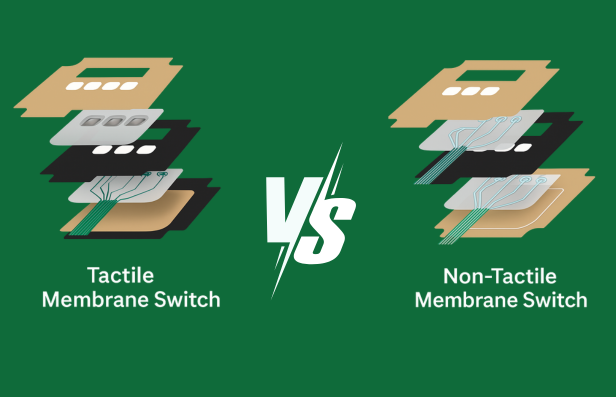
Tactile vs Non-Tactile Membrane Switches: Which Is Right for Your Application?
Summary
Prototyping is the foundation of successful product development.