How Backlighting Enhances User Interfaces in Harsh Environments
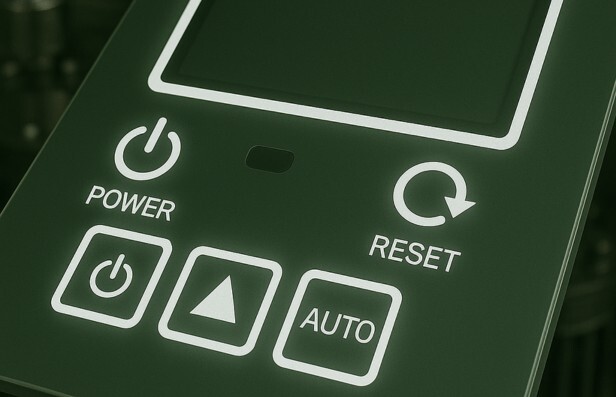
In today’s world, electronic devices are used in more places than ever—factories, hospitals, aircraft, and even outdoor kiosks. But not every environment is clean, well-lit, and climate-controlled. Many of these settings involve extreme conditions like moisture, vibrations, dust, or temperature swings. That’s where backlighting steps in as a powerful solution.
Why Graphic Overlays Matter in Modern User Interface Design
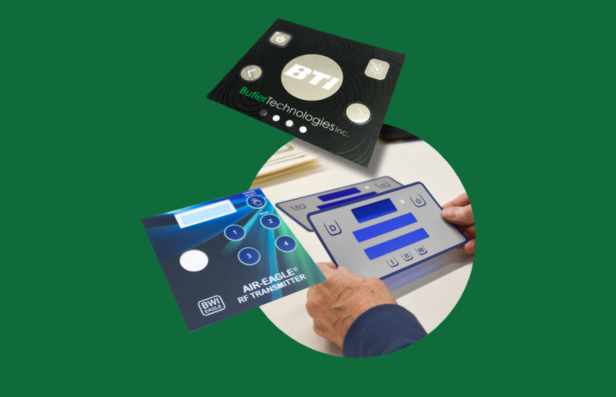
In today’s fast-paced tech landscape, graphic overlays have become essential components in user interface (UI) design for physical products. These printed layers are more than labels—they’re the first point of interaction between users and machines.
Membrane vs. Mechanical Switches: Which Is Right for Your Application?
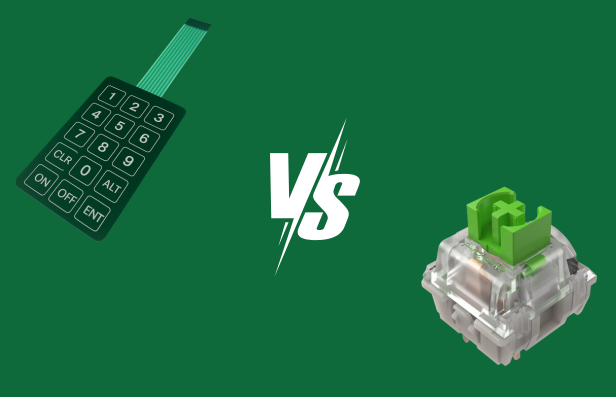
When designing a user interface—whether for medical equipment, industrial control panels, or consumer electronics—choosing the right type of switch can significantly impact durability, performance, and user satisfaction. Two of the most common interface options are membrane switches and mechanical switches. Each offers distinct advantages and trade-offs, making the right choice highly dependent on the intended application.
Backlighting Options for Membrane Switches: EL, LED, and Fiber Optic Technologies
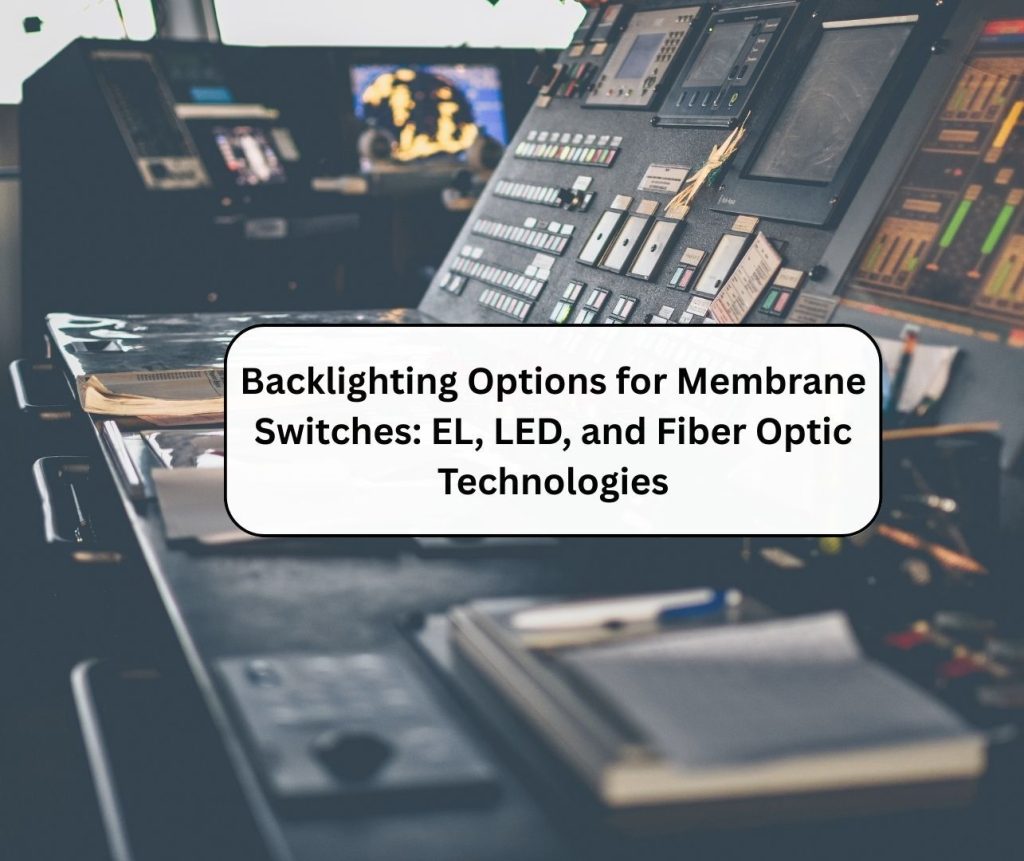
Imagine using a keypad in a dimly lit room or trying to operate a control panel at night. Without proper lighting, it’s frustrating and inefficient. That’s where membrane switches come in—thin, flexible devices that power everything from remote controls to medical equipment. These switches are made up of layers that form electrical circuits, making them lightweight and versatile for modern gadgets. But what really makes them stand out in low-light settings? Backlighting.
What Are Membrane Switches? A Complete Guide to Their Design and Functionality
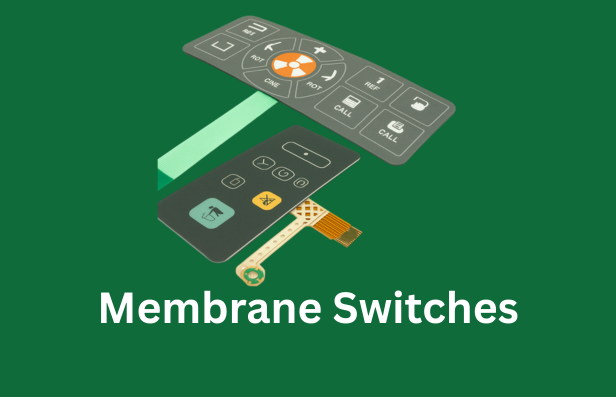
Membrane switches are the silent heroes behind the seamless interaction between users and electronic devices.
Tactile vs. Touch: When to Use Physical Buttons and When to Opt for a Touch Screen
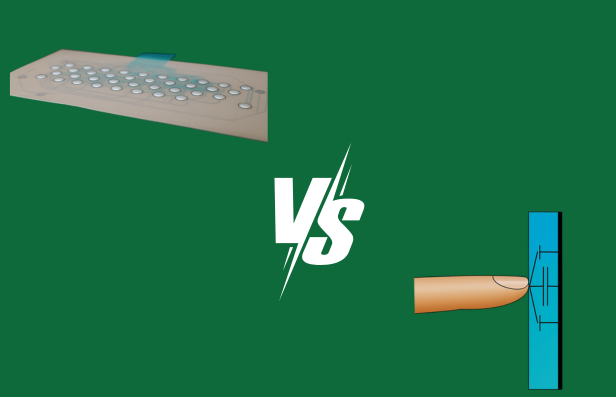
Choosing between tactile keypads (physical buttons) and touch screens is a critical decision in industrial automation, medical devices, automotive systems, and consumer electronics. The right interface impacts usability, efficiency, and safety.