Custom Graphic Overlays
Durable, Custom Overlays That Stand Out
What is a Graphic Overlay?
A graphic overlay is a decorative and informative printed layer applied to the surface of a product. It is typically produced on a thin sheet of durable material and used to display branding, instructions, button graphics, labels, or control markings.
Graphic overlays usually serve two main purposes:
- Decorative overlays: These act as the visible face of a product, displaying graphic artwork, product names, company branding, logos, instructions, or identification details. This helps users quickly understand what the product is and how it should be used.
- Functional overlays: These serve as the uppermost layer of a printed user interface or membrane switch. They show users where to press, what each button controls, and what action to expect from the interface.

Other names for a graphic overlay:
- Nameplates
- Faceplates
- Stickers
- Labels
- Decals
- Device Overlay
- Medical Device
- Consumer Electronics
- Industrial Control Units
- Points Of Sales System
MORE THAN A PRINTED OVERLAY?
Features & Customizations
A graphic overlay is extremely versatile. Our experienced team can design and manufacture them to meet your specific needs. What needs does your project have?
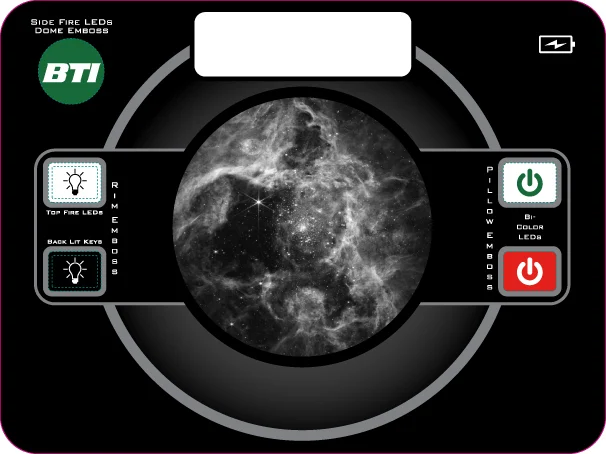
Embossing
Forming of the surface to give a 3D feel
Windows
Translucent sections that reveal what is below the graphic overlay
Dead fronting
Creating icons that aren’t visible on the surface until they are lit from the back. (Icons on your car dash)
Backlighting
Applying LEDs or light guide film behind the graphic overlay (mostly used for membrane switches)
Screen Printing
Screen printing is best for simple designs with limited color palettes, and for large volume orders
Digital Printing
Digital printing is best for intricate designs, designs with multiple colors, pictures or gradients, serialized parts, or smaller volume orders.
Designing And Don’t Know Where To Start?
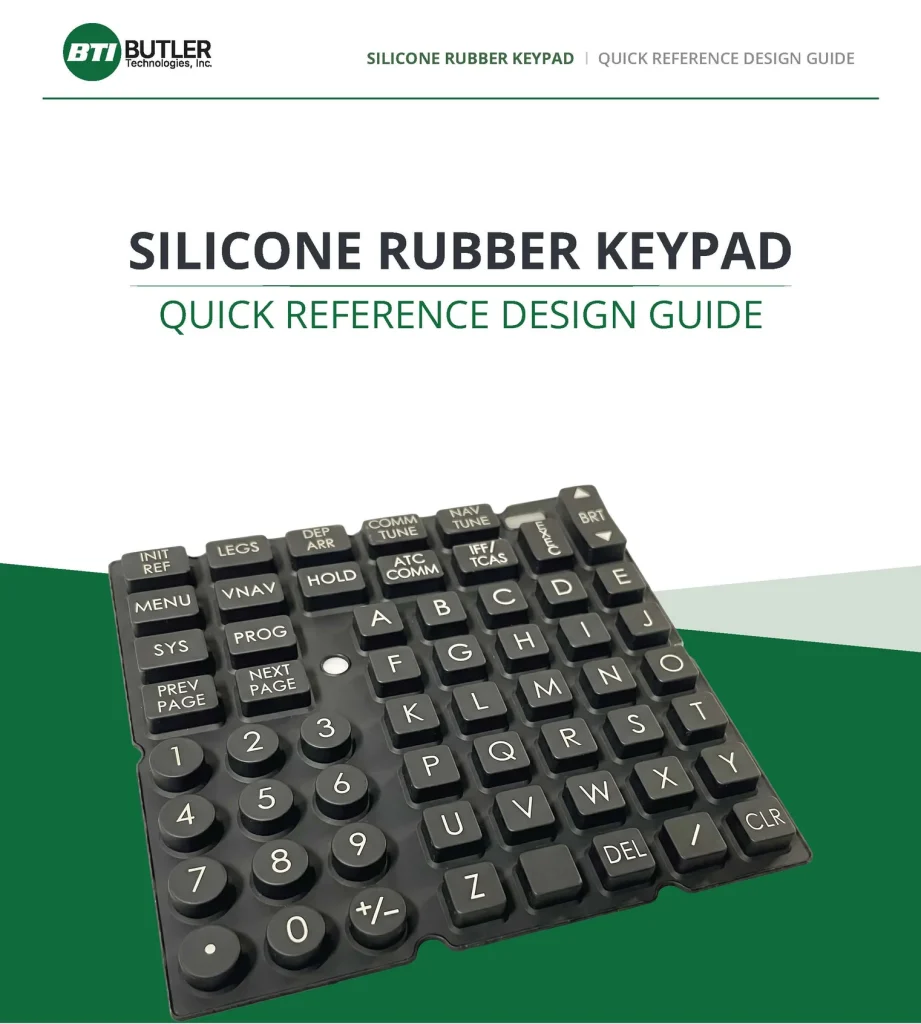
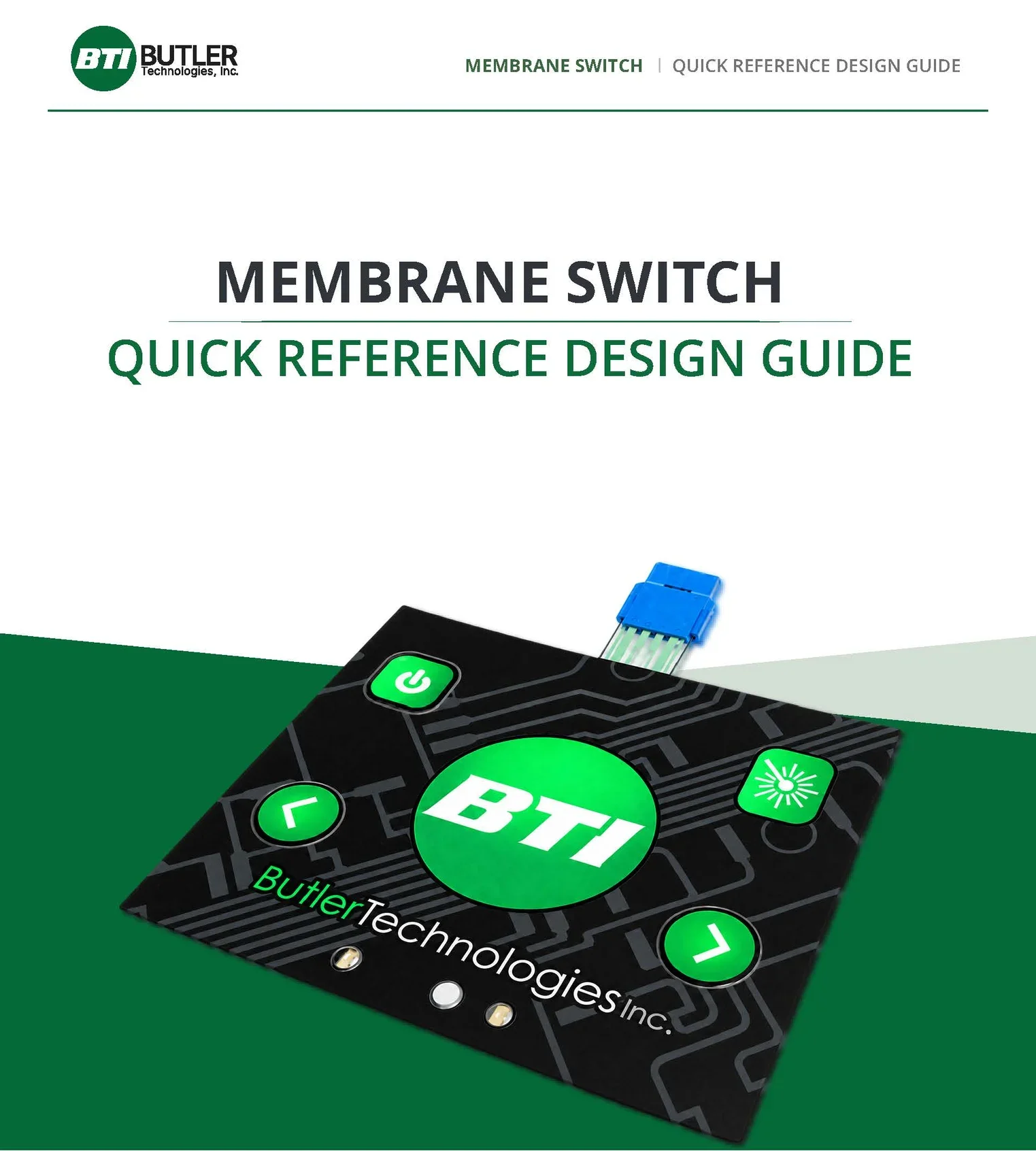
Check out our design guide. A powerful tool for beginners and seasoned veterans.
Materials
The material selection is the key first step to building a beautiful and long-lasting graphic overlay. Polycarbonate and Polyester are the most common material choices, but we can use many other materials, like vinyl, acrylic, PVC, etc. When picking the ideal material, there are many factors to consider.
Chemical Resistance
Graphic overlays often are used on products that get exposed to harsh or corrosive chemicals like gasoline, bleach, ammonia, etc. and different materials and finishes can be used to handle these chemicals.
UV Resistance
Many products are designed to live outside in the sun, meaning the materials must last under constant exposure to UV. Our overlays and labels meet the SAE J2020 UV testing standard.
Durability
Many of these overlays need to handle repeated use and abuse. Especially in industrial applications.
Selective Texturing
Texturing can be used to give users feedback on which areas have buttons or important information. Also can help applications in wet or slick environments.
Adhesive
With the wide variety of applications, there are a variety of adhesive needs. Picking the right one means your graphic overlay sticks when it needs to and comes off if it’s supposed to.
Download the Material Selection Chart to get started on your project
Uses
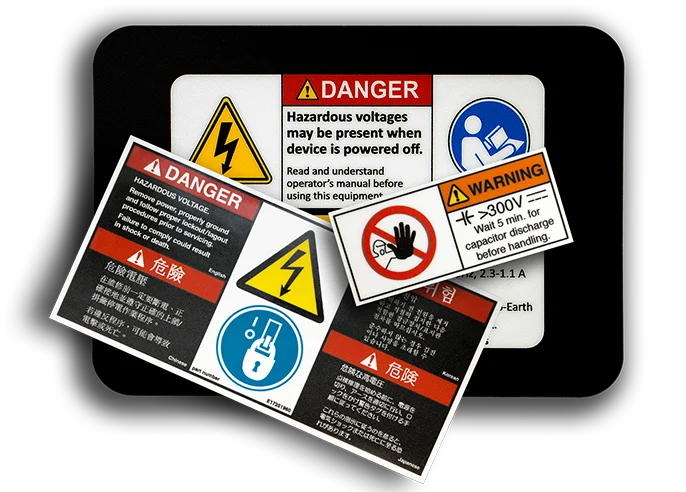
Because a graphic overlay is versatile, it has various use cases. Here are just a few:
- Membrane Switches
- Product Labels
- Warning Labels
- Dial Faces
- Gauge Faces
NEED A CUSTOM GRAPHIC OVERLAY OR LABEL?
Industries We Serve
Our products and capabilities support a wide range of industries, each requiring precise manufacturing, reliable performance, and consistent quality across every application.
Why Choose Butler Technologies
ISO 9001 Certified
On-Time Delivery
Design to Production
Supply Chain Simplified
Expert Team
Custom Capabilities
EVERY CLAIM ABOVE IS AUDITED
What Our Clients Say


 Trustindex verifies that the original source of the review is Google.
 Trustindex verifies that the original source of the review is Google.
 Trustindex verifies that the original source of the review is Google.
 Trustindex verifies that the original source of the review is Google.
 Trustindex verifies that the original source of the review is Google.
 Trustindex verifies that the original source of the review is Google.
 Trustindex verifies that the original source of the review is Google.
 Trustindex verifies that the original source of the review is Google.
 Trustindex verifies that the original source of the review is Google.
 Trustindex verifies that the original source of the review is Google.
Frequently Asked Questions
What materials are graphic overlays made from?
Polycarbonate and polyester are the most common, but overlays can also use vinyl, acrylic, PVC, and other materials, chosen for chemical resistance, UV resistance, durability, and the application environment.
What is the difference between screen printing and digital printing for overlays?
Screen printing is best for simple designs, limited colors, and large volumes. Digital printing is best for intricate, multi-color, or photographic designs, serialized parts, and smaller volumes.
Are graphic overlays chemical and UV resistant?
Yes. With the right materials and finishes, overlays can resist harsh chemicals and repeated cleaning, and Butler Technologies’ overlays and labels meet the SAE J2020 UV testing standard.
What are graphic overlays used for?
Common uses include membrane switches, product labels, warning labels, dial faces, and gauge faces.
What is the difference between a graphic overlay and a label?
They are often the same product used two different ways. A graphic overlay can be purely decorative, displaying artwork, a product name or a brand logo, in which case it is generally called a label, nameplate, faceplate or decal. It can also be functional, forming the uppermost layer of a printed user interface or membrane switch, where it tells the user where to press and what to expect from that action.
Are graphic overlays suitable for outdoor use?
Yes. Many products are designed to live outside in constant sun, and our overlays and labels meet the SAE J2020 UV testing standard. Materials and finishes can also be selected for resistance to harsh or corrosive chemicals such as gasoline, bleach and ammonia.
Should I use screen printing or digital printing for my overlay?
Screen printing suits simple designs with limited color palettes and larger volume orders, and is the only option for fluorescent, metallic and chrome colors. Digital printing suits intricate designs, multiple colors, photographs or gradients, serialised parts, and smaller volume orders. The two can also be combined on the same part.
Can you print serial numbers or other variable data?
Yes. Digital printing supports serialised parts, so each piece in a run can carry a unique number or code without the tooling changes screen printing would require.
What customisation options are available beyond printed artwork?
Embossing forms the surface to give a three dimensional feel. Windows are translucent sections that reveal what sits below the overlay. Dead fronting creates icons that stay invisible until lit from behind, as on a car dashboard. Backlighting applies LEDs or light guide film behind the overlay. Selective texturing can mark where buttons are by feel, and also helps in wet or slick environments.
How do I choose the right adhesive?
Adhesive selection depends on whether the overlay needs to stay permanently in place or be removable, and on the surface it is being applied to. It is treated as part of material selection rather than an afterthought, because the wrong choice is the most common reason an otherwise good overlay fails in the field.
Where to start
With all the different customization options and use cases, it might seem overwhelming.
Contact our expert team today and take the pressure off yourself.