Custom Silicone Rubber Keypads
What Are Silicone Rubber Keypads?
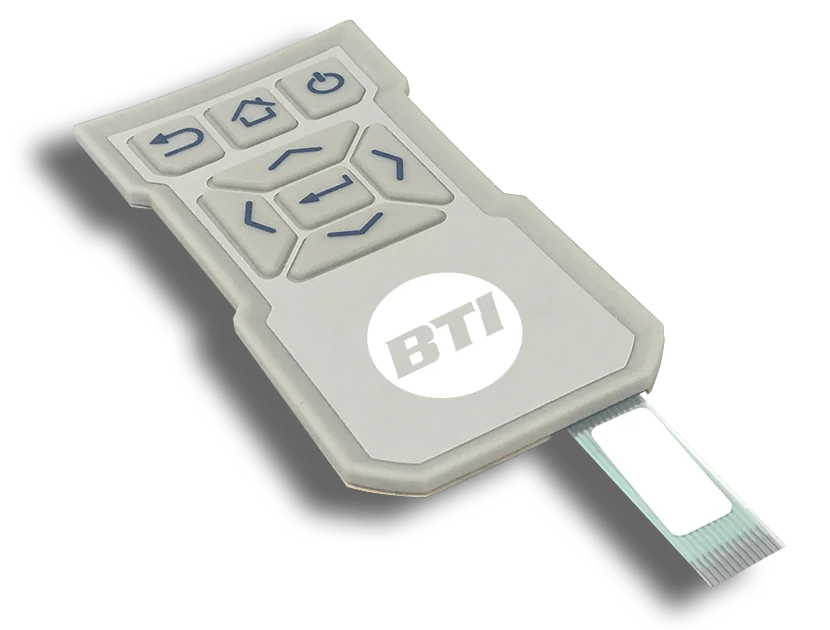
Silicone rubber keypads are compression-molded user interface components that provide tactile feedback when pressed. They can act as both the graphic layer and sealing layer of an interface while offering environmental protection against moisture, chemicals, UV exposure, abrasion, and temperature extremes.
Rubber keypads are commonly integrated with:
- Printed circuit boards (PCBs)
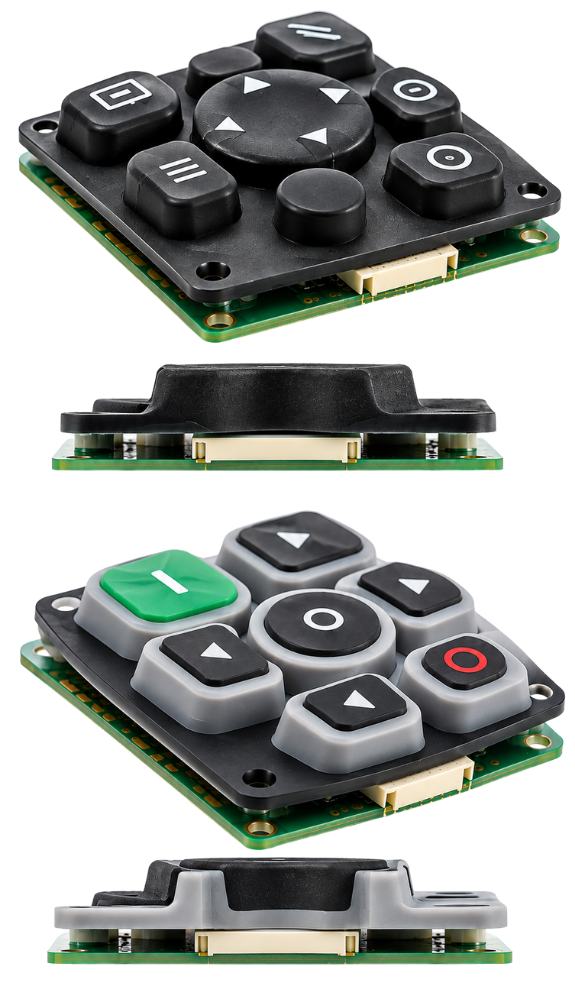
- Flexible printed circuits
- Membrane switches
This versatility allows engineers to create durable, user-friendly interfaces for a wide range of applications.
LOOKING BEYOND STANDARD KEYPADS?
Advantages of Rubber Keypads
Tactile feedback
Rubber keypads provide a distinct tactile response that gives operators confidence that a button has been pressed. Stroke lengths can rival mechanical switches, creating a familiar user experience.
Customizable
With virtually unlimited design possibilities, silicone rubber keypads allow you to create a user interface that is both functional and visually distinctive. Custom colors can be matched to your brand, while button shapes, key layouts, backlighting, glow-in-the-dark features, and varying tactile responses can be tailored to your application’s requirements.
Reliable
Rubber keypads are designed for long service life and repeat actuation. Material hardness, travel distance, and actuation force can be optimized for durability and performance.
Environmental protection
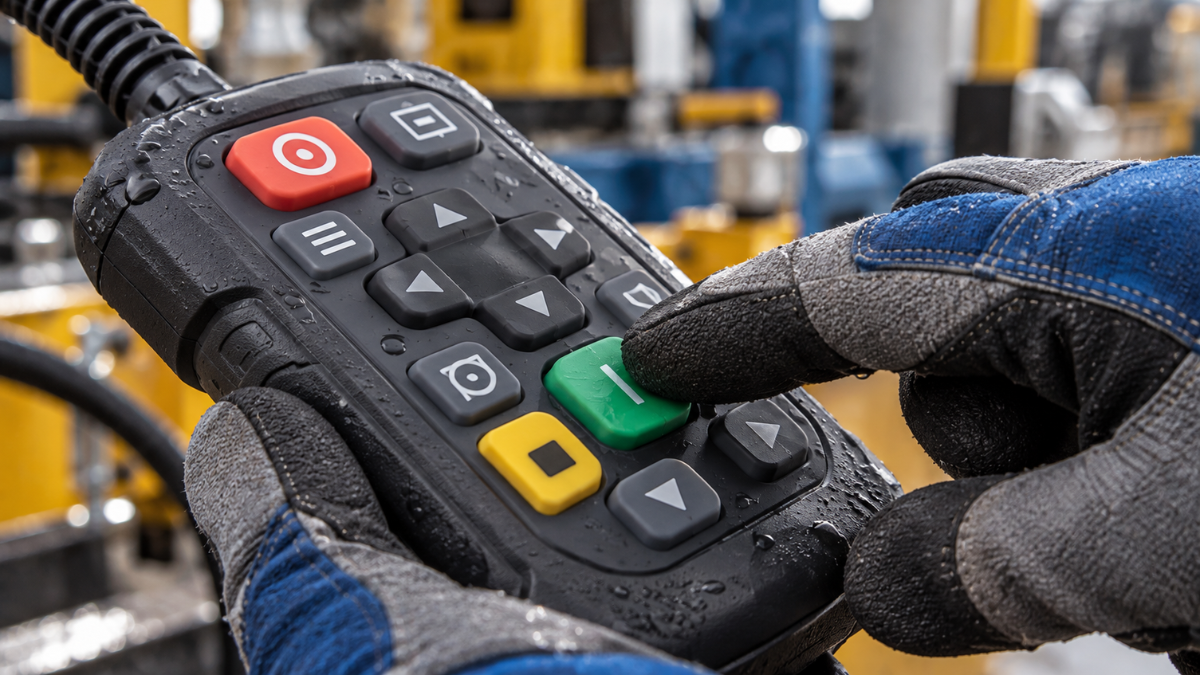
Silicone rubber keypads are built to perform in demanding environments. The material naturally resists moisture, UV radiation, chemicals, contamination, abrasion, and extreme temperatures, helping maintain reliable performance over the life of the product. This durability makes rubber keypads an excellent choice for industrial equipment, medical devices, outdoor applications, and other products exposed to harsh operating conditions.
Versatile
Silicone rubber keypads can be used as standalone components or integrated with printed circuit boards, flexible circuits, and membrane switches. This versatility gives designers and engineers greater flexibility when developing a user interface that meets the functional, aesthetic, and environmental demands of their application.
DOWNLOAD OUR DESIGN GUIDE
Common Features of Rubber Keypads
Backlighting
Create high-visibility interfaces with translucent silicone materials, LED integration, and custom light diffusion features. Rubber keypads can be molded from clear, translucent, or opaque silicone compounds to support backlit designs.
Custom Colors and Graphics
Silicone rubber can be color matched and decorated to align with your product branding and user requirements. Multi-color designs are easily accommodated through molding and printing processes.
Water and Chemical Resistance
Rubber keypads can be engineered to provide resistance to water, chemicals, and demanding operating conditions. Additional seals and gasketing options can further enhance protection.
Hybrid Constructions
For applications requiring elevated button profiles and advanced graphics, silicone rubber keypads can be integrated into hybrid membrane switch assemblies that combine molded rubber, graphic overlays, and flexible circuitry.
DOWNLOAD OUR DESIGN GUIDE
1-Shot vs. 2-Shot Rubber Keypads
Silicone rubber keypads can be manufactured using either a 1-shot or 2-shot molding process, depending on the design requirements.
1-Shot Molding
A 1-shot keypad is molded from a single silicone material during one molding cycle. This approach is typically used for standard keypad designs and is often the most cost-effective option. Different colors, graphics, and backlighting effects can still be incorporated through printing and finishing processes.
2-Shot Molding
A 2-shot keypad is created by molding two silicone materials or colors into a single component. This process can be used to create multi-color keypads, dual-durometer designs with different tactile characteristics, or more complex user interfaces.
While 2-shot molding provides greater design flexibility and functionality, it typically requires more complex tooling and can increase overall project costs.
Which Option Is Right for Your Application?
The choice between 1-shot and 2-shot molding depends on your performance, aesthetic, and budget requirements. Butler Technologies works closely with customers to determine the most effective design and manufacturing approach based on the needs of the application.
Membrane Switches vs. Rubber Keypads
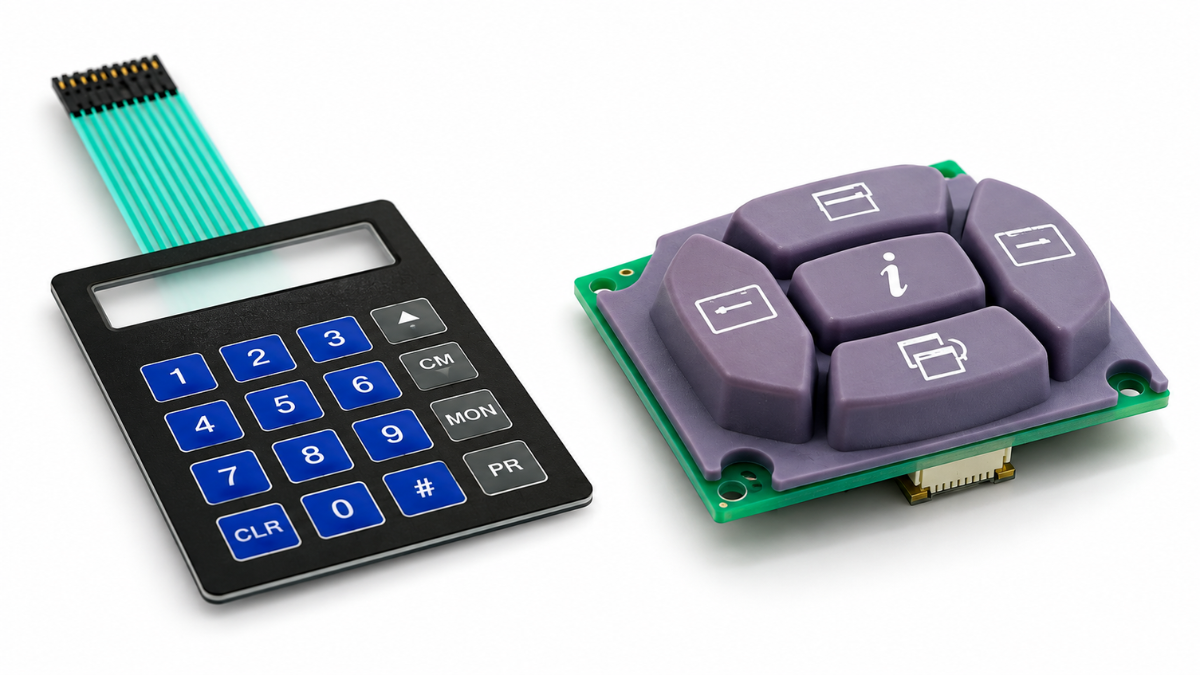
Choosing between a membrane switch and a silicone rubber keypad depends on the user experience and environmental demands of your application.
Membrane switches offer a sleek, low-profile interface with extensive graphic customization options, while rubber keypads provide enhanced
tactile feedback, greater key travel, and exceptional resistance to harsh environments.
For applications that require the advantages of both technologies, silicone rubber keypads can be integrated with membrane switches, flexible circuits, and printed circuit boards to create a fully customized user interface solution.
Advantages of Rubber Keypads
- Tactile feedback: Rubber keypads provide a distinct tactile response that gives operators confidence that a button has been pressed. Stroke lengths can rival mechanical switches, creating a familiar user experience.
- Customizable: With virtually unlimited design possibilities, silicone rubber keypads allow you to create a user interface that is both functional and visually distinctive. Custom colors can be matched to your brand, while button shapes, key layouts, backlighting, glow-in-the-dark features, and varying tactile responses can be tailored to your application’s requirements.
- Reliable: Rubber keypads are designed for long service life and repeat actuation. Material hardness, travel distance, and actuation force can be optimized for durability and performance.
- Environmental protection: Silicone rubber keypads are built to perform in demanding environments. The material naturally resists moisture, UV radiation, chemicals, contamination, abrasion, and extreme temperatures, helping maintain reliable performance over the life of the product. This durability makes rubber keypads an excellent choice for industrial equipment, medical devices, outdoor applications, and other products exposed to harsh operating conditions.
- Versatile: Silicone rubber keypads can be used as standalone components or integrated with printed circuit boards, flexible circuits, and membrane switches. This versatility gives designers and engineers greater flexibility when developing a user interface that meets the functional, aesthetic, and environmental demands of their application.
Common Features of Rubber Keypads
- Backlighting: Create high-visibility interfaces with translucent silicone materials, LED integration, and custom light diffusion features. Rubber keypads can be molded from clear, translucent, or opaque silicone compounds to support backlit designs.
- Custom Colors and Graphics: Silicone rubber can be color matched and decorated to align with your product branding and user requirements. Multi-color designs are easily accommodated through molding and printing processes.
- Water and Chemical Resistance: Rubber keypads can be engineered to provide resistance to water, chemicals, and demanding operating conditions. Additional seals and gasketing options can further enhance protection.
- Hybrid Constructions: For applications requiring elevated button profiles and advanced graphics, silicone rubber keypads can be integrated into hybrid membrane switch assemblies that combine molded rubber, graphic overlays, and flexible circuitry.
LOOKING FOR A CUSTOM RUBBER KEYPAD?
Industries We Serve
Our products and capabilities support a wide range of industries, each requiring precise manufacturing, reliable performance, and consistent quality across every application.
Why Choose Butler Technologies
ISO 9001 Certified
On-Time Delivery
Design to Production
Supply Chain Simplified
Expert Team
Custom Capabilities
EVERY CLAIM ABOVE IS AUDITED
What Our Clients Say
Frequently Asked Questions
How do engineers determine the right actuation force for a silicone rubber keypad?
Actuation force depends on the intended user, operating conditions, button size, and frequency of use. Lower forces may suit frequently used controls, while applications involving gloves or vibration may benefit from a more deliberate button press. Engineers evaluate these factors alongside key travel and tactile response to select an appropriate design.
What information should I provide when requesting a custom silicone rubber keypad quote?
Start with your keypad dimensions, button layout, expected operating environment, estimated production quantity, and any available drawings. Include requirements for actuation force, key travel, graphics, and electrical connections where known. If these specifications are not finalized, BTI’s engineering team can help review your design requirements.
How is the tactile feel of a silicone rubber keypad controlled?
Tactile feel is influenced by the silicone material, rubber hardness, key geometry, and web thickness beneath each button. These factors affect the force required to press a key and how it responds when released. Engineers can adjust the design to achieve a softer or firmer response based on the application.
What should engineers consider when designing silicone keypads for frequent use?
Key travel, actuation force, material selection, and expected operating cycles are important considerations. A keypad used repeatedly throughout a work shift may need different performance characteristics from one operated occasionally. Prototype testing can help evaluate comfort, response consistency, and durability before production.
What can cause inconsistent button response in a silicone rubber keypad?
Inconsistent response can result from variations in key geometry, mechanical alignment, contact design, or assembly tolerances. Engineers should evaluate how the silicone keypad interacts with the underlying circuit and enclosure. Testing the assembled interface helps identify potential issues before full-scale production.
Where to start
With all the different customization options and use cases, it might seem overwhelming.
Contact our expert team today and take the pressure off yourself.