Key Components of a Human-Machine Interface (HMI) Explained
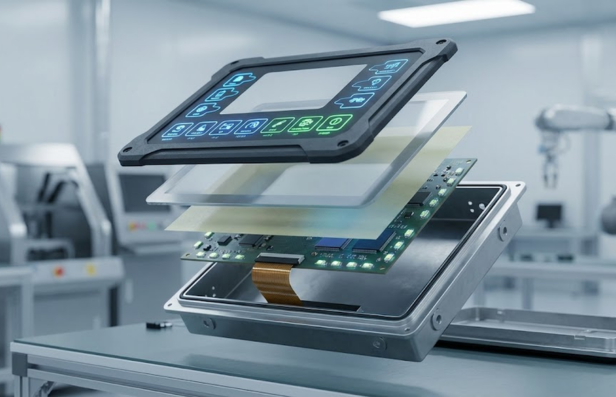
In the world of product design, the human-machine interface (HMI) is more than just a control panel; it is the bridge between human intent and machine action. Whether it is a life-saving medical device or a rugged industrial controller, the HMI defines the user experience.
Inside a Membrane Switch: Layers, Components, and How They Work
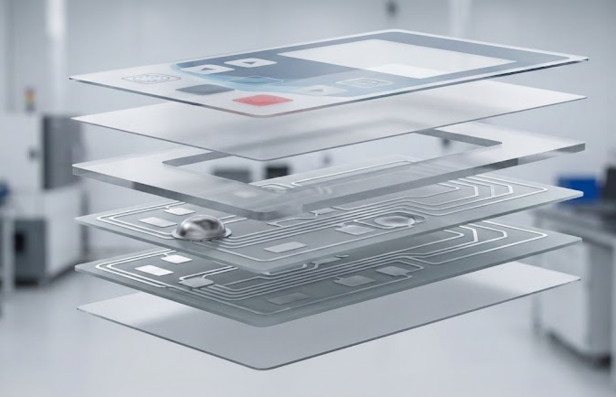
A membrane switch appears to be a simple flat panel, but beneath the surface lies a complex assembly of flexible materials, printed electronics, and pressure-sensitive adhesives. For engineers, understanding this “stack-up” is critical to designing an interface that survives in the real world.
From Concept to Production: How Touch Screen Panels Are Made
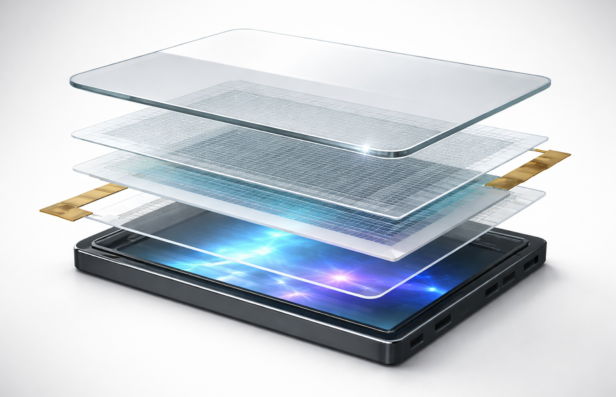
Touch screen panels are now essential across consumer electronics and industrial applications. Whether in smartphones or rugged equipment, these interfaces rely on a precise blend of layered materials, sensor technology, and manufacturing techniques.
Graphic Overlay Manufacturers: How Quality and Process Define Reliability
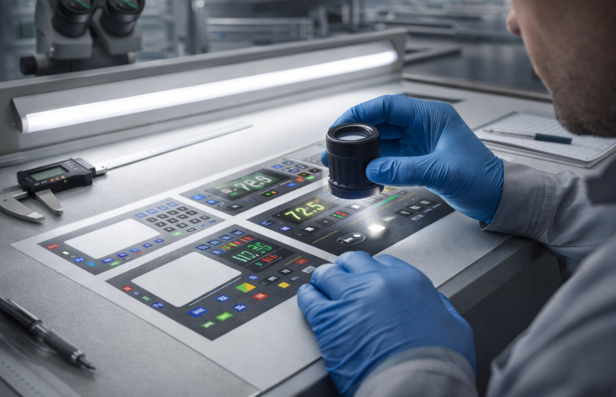
Graphic overlays function as the user-facing interface on medical devices, industrial controls, automotive systems, and electronic equipment. These thin printed layers carry essential labels, icons, branding, display windows, and tactile features, while protecting sensitive electronics beneath. When an overlay fails, the entire device risks usability issues, safety concerns, and costly field replacements.
Membrane Switch Circuit Design Best Practices
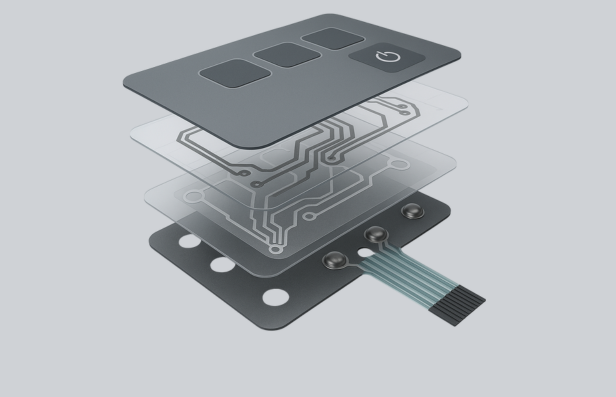
Membrane switches remain one of the most reliable and versatile interface technologies in modern electronic design. They combine thin construction, sealed surfaces, and long mechanical life in ways mechanical buttons simply can’t match. Today, they power medical equipment, industrial controls, diagnostic instruments, fitness systems, and countless consumer devices where durability and cleanliness matter.
Custom Touch Screen Panels: Design, Functionality, and Manufacturing Explained
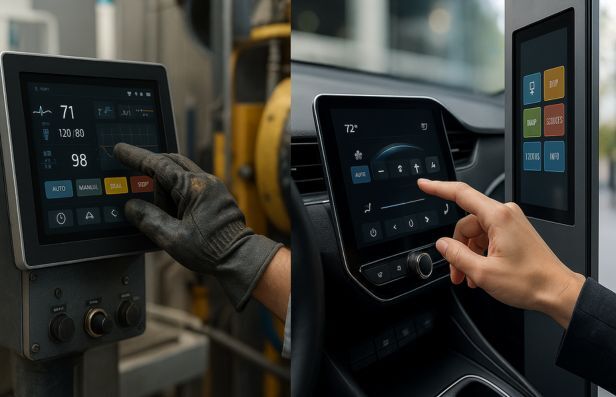
Touch panels have become critical components in modern user interfaces across industries. While standard options exist, custom touch panels deliver tailored solutions that standard screens cannot match.