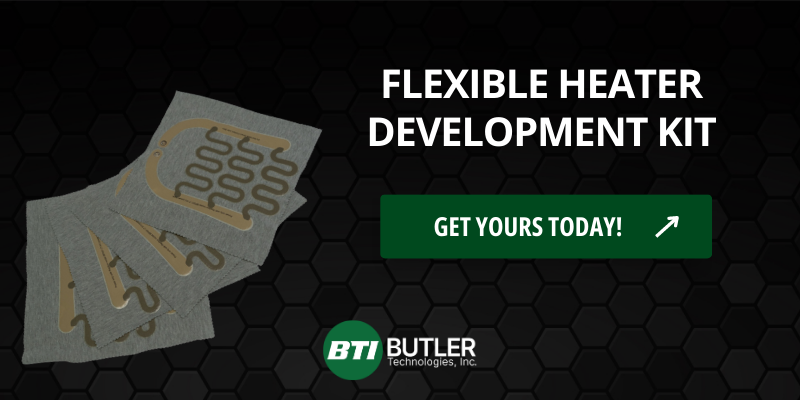
PRESS RELEASE: Butler Technologies Launches Printed Heater Development Kit
FOR IMMEDIATE RELEASE Contact: Courtney Houtz Butler Technologies, Inc. choutz@butlertechnologies.com 878-877-1760
How Can Printed Heater Development Kits Benefit You?
Flexible Printed Heaters Explained
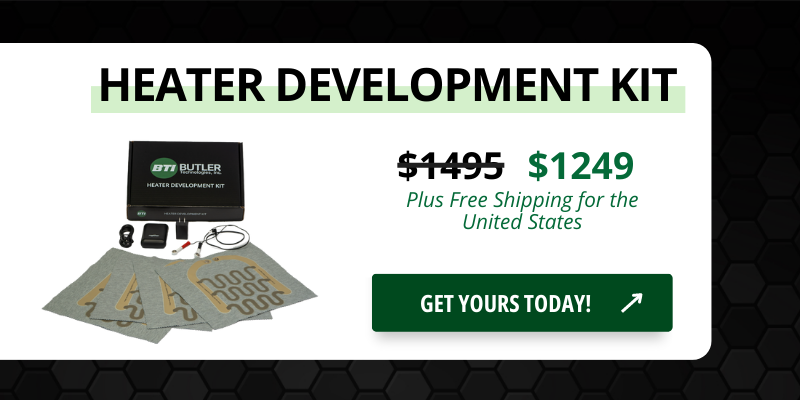
Flexible printed heaters are warming elements that are screen-printed onto flexible materials like fabric. Compared to traditional wired warming elements, printed heaters are thin, flexible, and lightweight. They can be seamlessly integrated into a variety of applications including apparel, medical devices, automobiles, and more.
Printed heaters are made with a range of resistive and conductive inks. They are used in combination with flexible substrates such as polyester (PET), polyimide (PI) or thermoplastic polyurethanes (TPU).
Help Athletes Perform Better with Biometric Sensors

Many athletes use rich data about their overall health, including breath rate, muscle activity, and more, to up their game. Smart clothing is a popular choice among athletes to obtain this data, but many people think solely of smartwatches when it comes to wearable technology.
There are many different types of smart technology that can help you analyze personal athletic data. Some technology can be screen printed and easily embedded into clothing items so the wearer doesn’t even feel a difference! Printed biometric sensors, for example, can track heart rate, muscle response, and more.
What Material Should I Use for My Graphic Overlay?
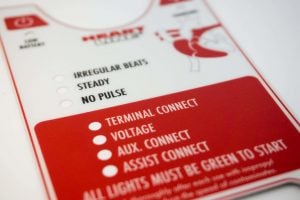
Graphic overlays are often considered the “face” of your product because they’re the product’s top layer and viewing surface. They are an integral part of your user interface design because they tell the user exactly how to operate the device. Graphic overlays can also be customized to your specific needs with different types of materials. There are many material options to choose from depending on your application and environment, so how do you know what material is best for you? Here is a comprehensive breakdown of the most common material types for graphic overlays.
Tactile vs. Non-Tactile Keypads & Their Advantages
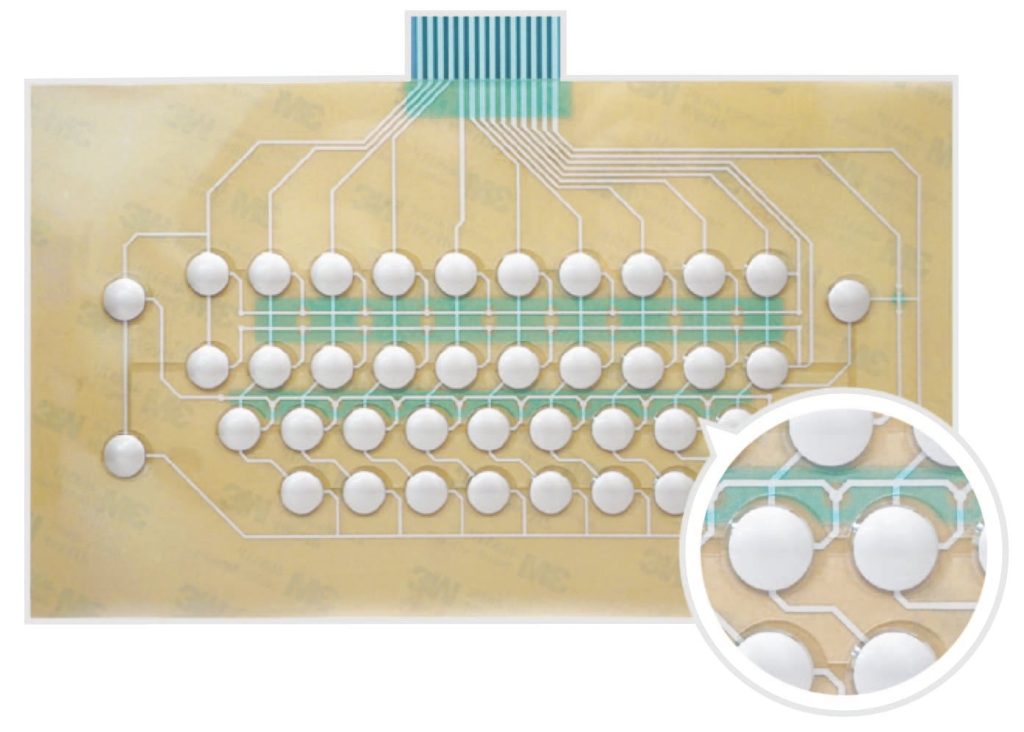
Many user interface products can be made with a tactile or non-tactile keypads that illicit a response. A tactile response transmits a physical or touch response to the end user, whereas a non-tactile response does not. Products such as membrane switches can be made using either tactile or non-tactile. Capacitive touch screens, resistive touch screens, and force sensing resistors are products that can only be made with a non-tactile design. While each product has their advantages, you’ll want to choose the one that best fits your end product and intended users.
Form vs. Function: User Experience Design for the Medical Industry
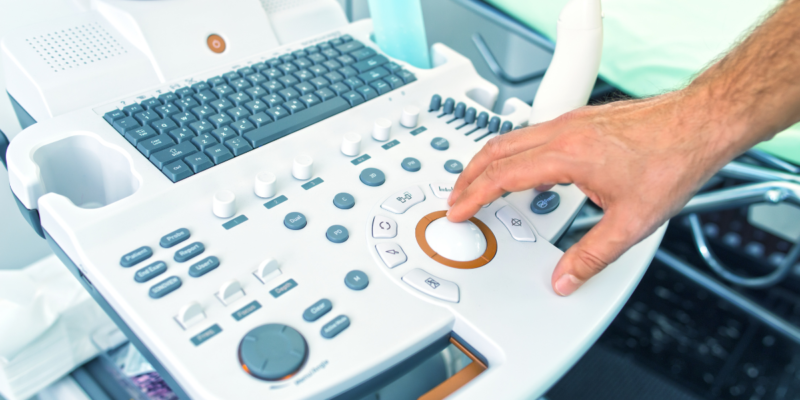
Offering unparalleled performance and innovation, modern medical devices have become essential for healthcare professionals and patients alike. They’re used for everything from making diagnoses and administering medication to supporting those suffering from ailments in their daily lives and helping patients stay fit and healthy post-surgery. That is why quality healthcare UX design can help deliver the best patient care.